Vocal Mixing Trends: Ideal Frequencies for Female Trap Vocals
In the dynamic world of urban pop, particularly within the realms of trap music, the art of vocal mixing has evolved into a crucial element that can make or break a track. As an Argentine composer and producer, I, Noe, have explored the intricate balance of sound that defines female trap vocals. This article delves into the technical aspects of vocal mixing, focusing on the ideal frequencies that enhance the unique qualities of female voices in trap music.
The Essence of Female Trap Vocals
Female trap artists bring a distinct flavor to the genre, characterized by their unique vocal timbres and emotional delivery. The challenge lies in capturing the essence of these vocals while ensuring they sit perfectly within the mix. Understanding the frequencies that resonate best with female voices is essential for achieving clarity and impact.
Understanding Frequency Ranges
When mixing vocals, it’s vital to consider the frequency spectrum. Here’s a breakdown of the key frequency ranges to focus on:
- Sub-Bass (20-60 Hz): While not directly related to vocals, ensuring a solid low-end foundation can enhance the overall mix.
- Bass (60-250 Hz): This range can add warmth to the vocal, but be cautious of muddiness. Female vocals typically thrive in the higher ranges.
- Low Mids (250-500 Hz): This area can add body but can also introduce boxiness. A gentle cut here can help clarity.
- Mids (500-2000 Hz): The heart of the vocal presence. Boosting around 1 kHz can help the vocals cut through the mix.
- High Mids (2000-4000 Hz): This range is crucial for articulation. A boost here can enhance the clarity of lyrics.
- Presence (4000-6000 Hz): Adding a slight boost in this range can bring the vocals forward, making them more pronounced.
- Brilliance (6000-20,000 Hz): This range adds airiness and sparkle to the vocals, enhancing the overall brightness.
Techniques for Mixing Female Trap Vocals
To achieve the best results in mixing female trap vocals, consider the following techniques:
1. Equalization (EQ)
Start with a high-pass filter around 80 Hz to eliminate unnecessary low-end rumble. Then, apply a gentle boost in the presence range (around 4-6 kHz) to enhance clarity. A cut in the low mids (250-500 Hz) can help reduce boxiness.
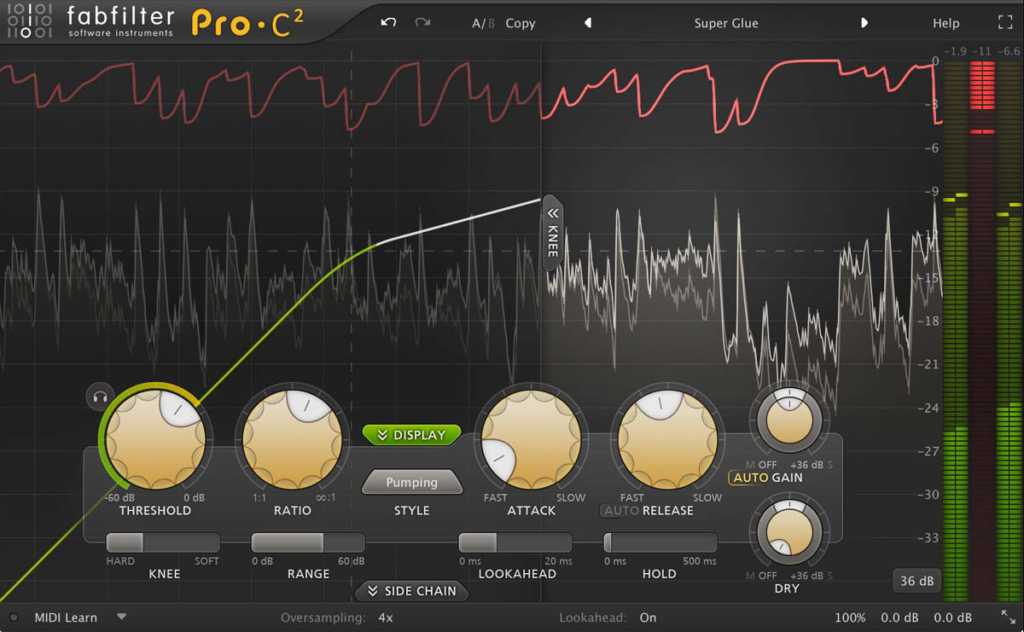
2. Compression
Use compression to control dynamics and maintain a consistent vocal level. A ratio of 3:1 or 4:1 is often effective. Aim for a fast attack and release to keep the vocal punchy and present.
3. Reverb and Delay
Adding reverb can create a sense of space, but be careful not to overdo it. A short, subtle reverb can add depth without washing out the vocal. Delay can also be a powerful tool; consider using a slapback delay to add thickness.
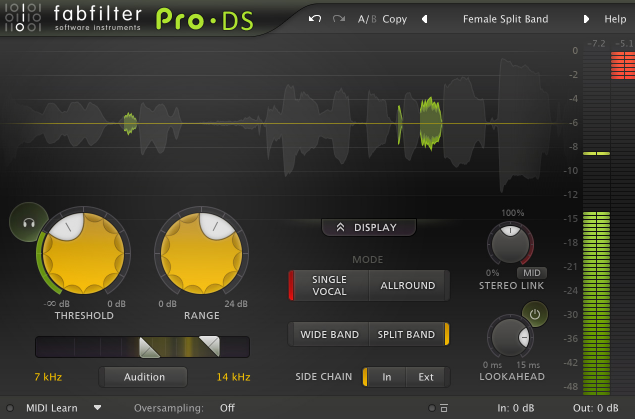
4. De-Essing
Female vocals can sometimes produce harsh sibilance. A de-esser can help tame these frequencies, typically around 5-8 kHz, ensuring a smoother listening experience.
Real-World Examples
Let’s take a look at some successful female trap artists and how their vocal mixing contributes to their sound:
- Nicki Minaj: Known for her dynamic vocal delivery, her tracks often feature a prominent presence boost, allowing her lyrics to stand out amidst heavy beats.
- Cardi B: Cardi’s vocal mixes often utilize a balance of warmth and clarity, with strategic EQ cuts to avoid muddiness, ensuring her powerful delivery shines through.
- Doja Cat: Her innovative use of vocal layering and effects showcases how modern production techniques can enhance the emotional impact of female vocals.
The Emotional Connection
Mixing female trap vocals is not just about technical precision; it’s about conveying emotion. Each vocal performance carries a story, and as a producer, your job is to amplify that narrative through sound. Listen closely to the nuances in the performance—these subtleties can guide your mixing decisions.
Modern Tools for Vocal Mixing
Today’s music producers have access to a plethora of tools that can enhance vocal mixing. Here are some popular choices:
- Waves Vocal Rider: Automatically adjusts vocal levels, allowing for a more consistent mix.
- FabFilter Pro-Q 3: A versatile EQ plugin that provides precise control over frequency adjustments.
- iZotope Nectar: A comprehensive vocal processing suite that includes EQ, compression, reverb, and more.
- Soundtoys Little AlterBoy: A creative tool for pitch and formant shifting, perfect for adding unique textures to vocals.
Conclusion: The Art of Vocal Mixing
In the ever-evolving landscape of trap music, understanding the ideal frequencies for female vocals is essential for any producer. By mastering the techniques of EQ, compression, and effects, you can create mixes that not only sound professional but also resonate emotionally with listeners.
As you embark on your mixing journey, remember that every vocal is unique. Take the time to experiment with different techniques and find what works best for your sound. The beauty of music lies in its diversity, and your creativity is the key to unlocking its potential.
Frequently Asked Questions
What is the best frequency range for female trap vocals?
The ideal frequency range for female trap vocals typically lies between 1 kHz and 6 kHz, where clarity and presence are enhanced.
How can I reduce sibilance in female vocals?
Using a de-esser can effectively tame harsh sibilance, usually found in the 5-8 kHz range, ensuring a smoother vocal sound.
What are some common vocal mixing mistakes?
Common mistakes include excessive reverb, not using high-pass filters, and neglecting to control dynamics with compression.
What’s your take on this trend? Share your thoughts in the comments or explore more at Noe’s music hub.